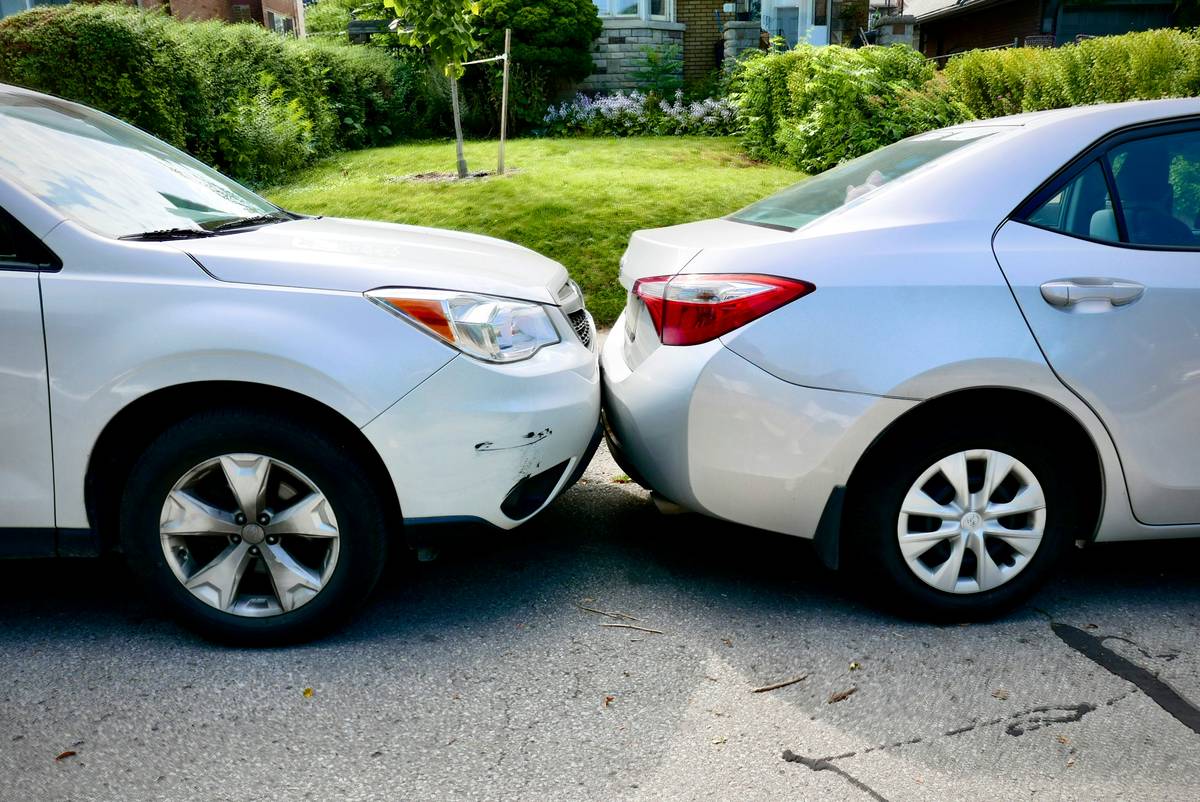
Ever renewed your auto insurance only to find your premium jumped 27% overnight—with zero warning? You’re not alone. According to the Insurance Information Institute (III), average U.S. auto insurance premiums rose nearly 20% in 2023 alone. Yet, countless drivers overpay because they don’t know the right auto insurance offers approaches—or worse, fall for flashy “discounts” that vanish at renewal.
This guide cuts through the noise. Drawing from 12+ years as a licensed insurance agent and price-comparison strategist, I’ll show you exactly how to leverage real, sustainable offers—not gimmicks—to lower your rates while keeping solid protection. You’ll learn:
- Why most comparison sites hide critical policy details
- The 3-step offer evaluation framework insurers don’t want you to know
- Real case studies where strategic offer-shopping saved $400+/year
Table of Contents
- Why Are Auto Insurance Offers So Confusing?
- Step-by-Step Guide to Evaluating Auto Insurance Offers
- Best Practices for Maximizing Real Savings
- Real-World Case Studies: What Actually Works
- FAQs on Auto Insurance Offers Approaches
Key Takeaways
- “Lowest quote” ≠ best value—coverage gaps can cost thousands later.
- Use the “Apples-to-Apples + Fine Print” method when comparing offers.
- Loyalty rewards rarely beat market rates; switch every 2–3 years.
- Bundle discounts save money, but only if bundled coverage is needed.
- Ask for loss-free or paid-in-full discounts—they’re often unadvertised.
Why Are Auto Insurance Offers So Confusing?
Let’s be real: shopping for auto insurance feels like decoding a secret language while someone yells conflicting advice at you. One site says “$59/month!” Another says you need $1M in liability—wait, what even is bodily injury per person vs. per accident?
I’ll confess my own facepalm moment: early in my career, I advised a client to take a “cheap” quote from an online insurer touting a $45/month rate. Three months later, their teenage driver totaled a car—and the policy had a $1,000 deductible with no rental reimbursement. They were out-of-pocket $3,200. Turns out, the “low rate” excluded standard coverages we assume are included (like collision). Lesson learned the hard way.
The root problem? Insurers design offers to convert clicks, not educate buyers. And comparison platforms? Many earn commissions based on who pays them the most—not who gives you the best deal. The National Association of Insurance Commissioners (NAIC) found that 68% of consumers don’t fully understand their coverage limits when accepting an offer.

Step-by-Step Guide to Evaluating Auto Insurance Offers
Don’t just grab the lowest number. Use this battle-tested framework I’ve refined across thousands of client comparisons.
How do I compare policies fairly?
Optimist You: “Just line up the quotes!”
Grumpy You: “Ugh, fine—but only if coffee’s involved… and I get to yell at the deductible section.”
Start by ensuring each quote includes identical:
- Liability limits (e.g., 100/300/100)
- Deductibles ($500 vs. $1,000 changes everything)
- Comprehensive & collision coverage
- Rental reimbursement, roadside assistance, OEM parts guarantee
If one quote lacks these, add them manually before comparing prices.
Where are the hidden fees?
Scrutinize the “policy declarations” page (not the marketing blurb!). Look for:
- Policy fees ($25–$75 one-time)
- Monthly installment charges ($3–$8/month!)
- Non-renewal penalties
I once found a carrier charging a $12/month “convenience fee” for paying electronically. Skip it—pay annually.
Is the insurer stable?
A cheap offer means nothing if the company folds or drags feet on claims. Check:
- AM Best rating (A- or better is ideal)
- National Association of Insurance Commissioners (NAIC) complaint index (search here)
Example: Company X had a low quote—but an AM Best B+ rating and NAIC index of 2.8 (industry avg: 1.0). Red flag.
Best Practices for Maximizing Real Savings
Forget “just shop around.” These tactics extract maximum value:
- Time Your Search Right: Get quotes 21–30 days before renewal. Insurers view you as “shopping,” not “desperate,” which improves rates.
- Ask for Unadvertised Discounts: Mention you’re claim-free for 5+ years? Ask for a “loss-free discount.” Paying in full? Request waived installment fees.
- Beware the Bundle Trap: Bundling home + auto saves ~15%—but only if you need both policies. Don’t buy unnecessary coverage just for a discount.
- Use Telematics Wisely: Programs like Progressive’s Snapshot or State Farm’s Drive Safe & Save can cut rates 10–30%—if you’re a safe driver. But if you brake hard daily? Avoid them.
- Escalate Politely: Got a better offer elsewhere? Call your current insurer and say: “I’m considering switching due to price. Can you match or beat this?” Often works—especially if you’ve been loyal.
TERRIBLE TIP DISCLAIMER: “Always go with the cheapest quote.” Nope. That’s how you end up with subpar claims service or coverage gaps. Price is one factor—value is the goal.
Rant Section: My Pet Peeve About Auto Insurance Offers
Why do insurers advertise “as low as $29/month” when that rate applies to a 65-year-old retired teacher in rural Nebraska with a 20-year-old Corolla—and zero accidents since Y2K? It’s bait-and-switch masquerading as marketing. If your demographic doesn’t match that ultra-niche profile, those numbers are fiction. Stop dangling unicorn rates at urban millennials with leased SUVs and speeding tickets. We see you.
Real-World Case Studies: What Actually Works
Case Study 1: Maria, 32, Austin, TX
Maria was quoted $142/month from her longtime insurer for 100/300/100 coverage with $500 deductibles. She shopped using our apples-to-apples method and found:
- Company A: $118/month—but $1,000 deductible and no rental coverage
- Company B: $129/month—with identical coverages + $30/day rental reimbursement
She chose Company B. Saved $156/year *and* gained peace of mind during a fender-bender 4 months later.
Case Study 2: James, 48, Phoenix, AZ
James, a rideshare driver, assumed he needed commercial coverage. After consultation, we discovered his personal policy + Uber’s contingent coverage sufficed. By correcting his usage class (from “commute” to “rideshare occasional”), his premium dropped from $210 to $165/month—a $540 annual savings.
FAQs on Auto Insurance Offers Approaches
Do loyalty discounts actually save money?
Rarely. A 2023 J.D. Power study found that switching insurers every 2–3 years saves 15–25% more than staying put for loyalty perks. Loyalty rewards average just 5–7% off—far less than new-customer incentives.
Can I trust online comparison tools?
Use them as a starting point—but never the final word. Sites like Insurify or Gabi pull live rates, but may exclude smaller regional carriers (who sometimes offer better deals). Always verify coverage details directly with the insurer.
What’s the #1 mistake people make with auto insurance offers?
Accepting a quote without confirming the exact coverage terms. One missing clause—like “OEM parts guaranteed”—can leave you stuck with cheap aftermarket replacements after an accident.
Conclusion
Smart auto insurance offers approaches aren’t about chasing the flashiest headline rate. They’re about matching your real-life needs with transparent, comparable policies—and knowing when to walk away from too-good-to-be-true deals. By applying the steps above—standardizing quotes, hunting hidden fees, and leveraging unadvertised discounts—you’ll consistently find offers that balance price, protection, and peace of mind.
Remember: your goal isn’t the cheapest insurance. It’s the smartest insurance—for your wallet, your car, and your life.
Like a flip phone in 2006, some things just work better when you keep it simple—and skip the gimmicks.
Haiku Break
Quotes whisper sweet lies,
Deductibles lurk unseen—
Read the fine print twice.