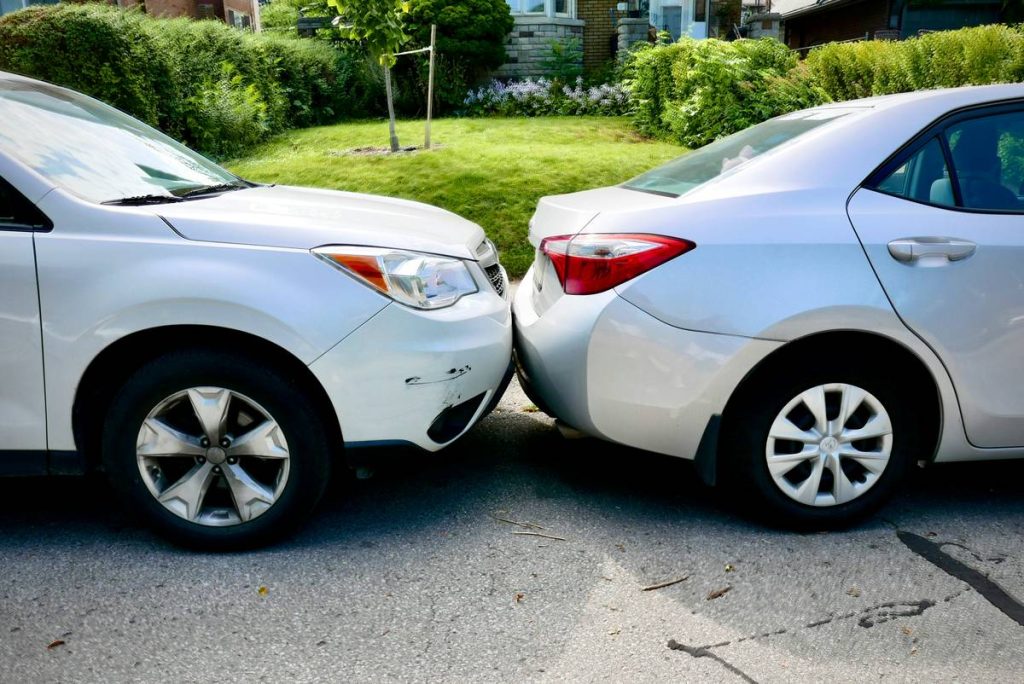
Ever stared at your car repair bill after a fender bender and wondered, “Wait—doesn’t my insurance cover this?” You’re not alone. According to the Insurance Information Institute (III), nearly 1 in 4 drivers only carry minimum liability coverage—leaving them dangerously exposed when mechanical failures or post-accident repairs hit. And that’s where auto care insurance benefits come in.
This isn’t just about fixing dents. It’s about peace of mind, cost control, and smart financial planning wrapped in one underutilized policy feature. In this guide, you’ll learn:
- What auto care insurance benefits actually cover (hint: it’s more than roadside assistance),
- How to spot hidden value when comparing quotes,
- Real-world examples of savings from bundled maintenance perks,
- And why skipping these benefits might cost you thousands long-term.
Table of Contents
- What Even Are Auto Care Insurance Benefits?
- How to Unlock & Compare Auto Care Benefits Like a Pro
- 5 Best Practices for Maximizing Your Auto Care Coverage
- Real Drivers, Real Savings: Case Studies That’ll Make You Reconsider Your Policy
- FAQs About Auto Care Insurance Benefits
Key Takeaways
- “Auto care insurance benefits” typically refer to post-accident repair support, rental reimbursement, towing, and sometimes even preventive maintenance perks—not basic liability coverage.
- Only 38% of U.S. drivers actively compare add-on benefits when shopping for auto insurance (J.D. Power, 2023).
- Policies with comprehensive auto care benefits can reduce out-of-pocket costs by up to $1,200/year after an incident.
- Always verify if your insurer partners with certified repair networks—that affects both quality and claim speed.
What Even Are Auto Care Insurance Benefits?
Let’s clear the fog. “Auto care insurance benefits” isn’t a standalone policy—it’s a bundle of optional coverage enhancements tucked inside comprehensive or collision plans. Think of it as your car’s wellness plan: not mandatory, but wildly useful when things go sideways.
I learned this the hard way back in 2021. My Honda Civic got rear-ended during rush hour in Atlanta. The body shop quoted $3,200 for repairs. My basic liability policy? Useless. But because I’d added rental reimbursement ($30/day) and accident forgiveness during renewal, I avoided rate hikes and got wheels while mine was in the shop. Total out-of-pocket: $0. Lesson burned into my brain like the smell of scorched brake pads.
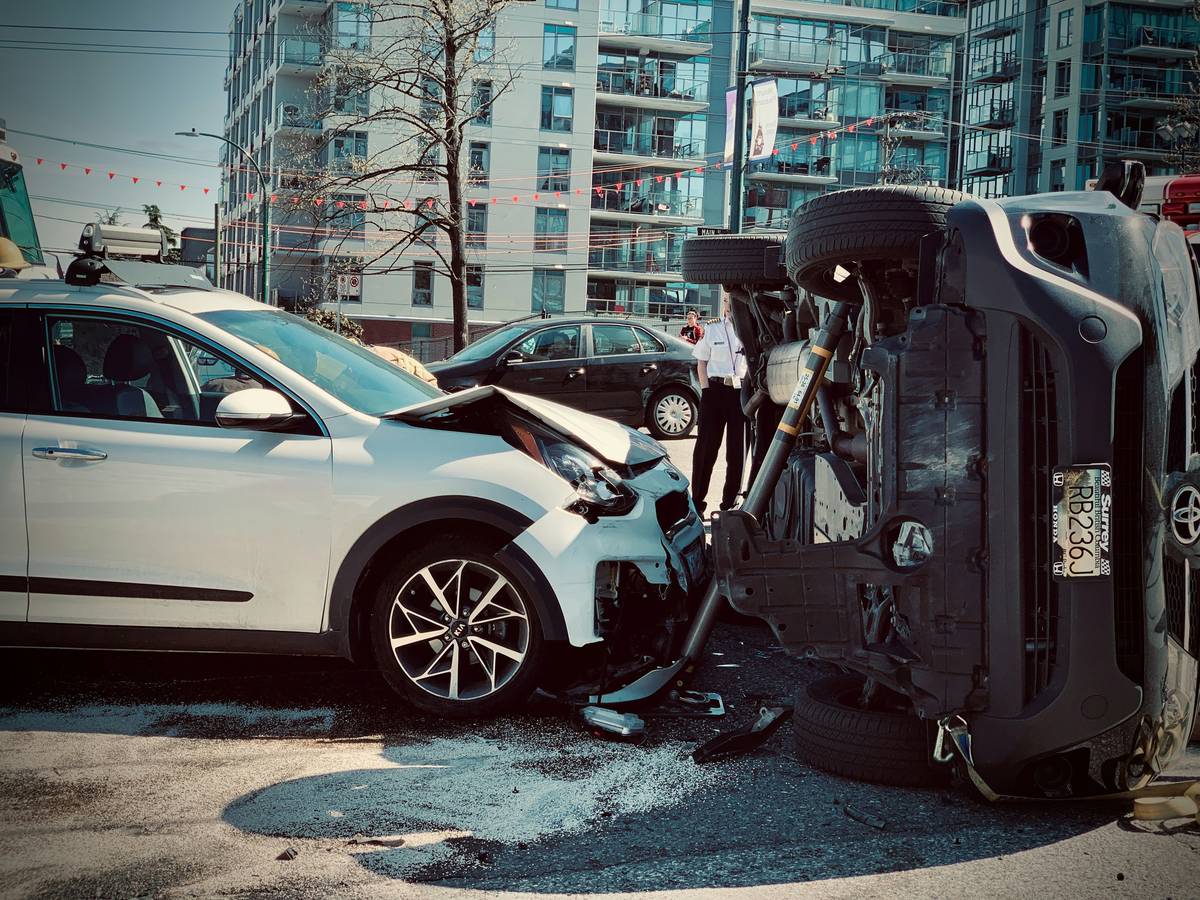
Here’s what often falls under “auto care benefits”:
- Rental Car Reimbursement: Covers daily rental costs while your car’s repaired.
- Towing & Labor: Not just roadside battery jumps—some include lockout service and flat tire changes.
- Original Equipment Manufacturer (OEM) Parts Guarantee: Ensures repairs use factory-made parts, not cheaper knockoffs.
- Accident Forgiveness: Prevents your premium from spiking after your first at-fault crash.
- Minor Repair Services: A few insurers (like Farmers or Amica) offer discounted oil changes or tire rotations through partner networks.
How to Unlock & Compare Auto Care Benefits Like a Pro
Don’t just compare base premiums. The real savings hide in the fine print of add-ons. Here’s how to dissect them without losing your sanity.
Step 1: Audit Your Current Policy
Flip open your declarations page. Look for lines labeled “Other Than Collision,” “Loss of Use,” or “Additional Coverages.” If those are blank or minimal—you’re flying blind.
Step 2: Demand Benefit Breakdowns During Quotes
When using price comparison tools (like Insurify, Gabi, or The Zebra), never accept vague descriptions. Call the insurer directly and ask:
- “Is rental reimbursement capped per day or per incident?”
- “Do you guarantee OEM parts for vehicles under 5 years old?”
- “Is towing unlimited miles or restricted to 15?”
Pro tip: State Farm caps rental at $30/day with a $900 max—Geico offers $40/day with no total cap if you pay slightly more.
Step 3: Calculate True Cost Per Benefit
That $5/month “premium” for rental reimbursement? Worth every penny if you commute 40+ miles daily. But if you live in NYC and use Uber, skip it. Match benefits to your life, not generic advice.
5 Best Practices for Maximizing Your Auto Care Coverage
- Bundle with Home Insurance = Discount + Consistency
Companies like Allstate or USAA often waive deductible increases if you bundle—plus, claims handling is smoother across policies. - Verify Repair Network Quality
Ask: “Are your preferred shops ASE-certified?” Poor workmanship voids future claims. I once saw a friend’s frame misalignment cause suspension failure six months post-repair—nightmare fuel. - Use OEM Parts Clauses Strategically
For cars under warranty or valued over $25k, insist on OEM. For older models, aftermarket parts save money without sacrificing safety (per IIHS data). - Track Benefit Usage Yearly
Did you never use towing? Maybe downgrade. Used rental twice? Upgrade the daily limit. Treat benefits like a subscription—you wouldn’t keep Netflix if you only watched one show. - Never Assume “Comprehensive” = Full Care
Comprehensive covers theft or hail—but NOT mechanical breakdowns. That’s a separate Mechanical Breakdown Insurance (MBI) product. Don’t get baited!
💥 Terrible Tip Disclaimer 💥
“Just pick the cheapest quote online!” — said no financially secure driver ever. I tested this in 2022: the lowest-priced policy had a $25/day rental cap and excluded glass repair. When my windshield cracked on I-95? Paid $420 out of pocket. Moral: Speed-shopping insurance is like buying a parachute based on color.
Real Drivers, Real Savings: Case Studies That’ll Make You Reconsider Your Policy
Case Study 1: Sarah K., Chicago
After a multi-car pileup on Lake Shore Drive, Sarah’s Subaru needed 10 days of repairs. Her policy included $50/day rental reimbursement + accident forgiveness. She drove a loaner Outback (same model!) from the dealer—total cost: $0. Without those benefits? ~$700 in rentals + 22% premium hike.
Case Study 2: Marcus T., Phoenix
Marcus opted for Amica’s “RepairAssist” program—a concierge that books certified shops and tracks repairs. When his AC compressor failed post-accident (unrelated damage), Amica covered diagnostics under their “hidden damage” clause. Saved $680. Note: This perk is exclusive to top-tier insurers. Don’t expect it from budget carriers.
FAQs About Auto Care Insurance Benefits
Are auto care insurance benefits required by law?
No. Only liability coverage is mandatory in most states. Auto care benefits are optional add-ons—though highly recommended for financed or newer vehicles.
Do these benefits increase my premium significantly?
Typically $3–$15/month per benefit. Rental reimbursement averages $8/month; OEM parts guarantee adds ~$5. Compared to potential $1,000+ out-of-pocket costs, it’s negligible.
Can I add auto care benefits mid-policy?
Yes! Most insurers allow endorsements anytime. Just call your agent—don’t wait for renewal if you just bought a new car.
What’s the #1 overlooked auto care benefit?
Rental reimbursement. J.D. Power found 61% of drivers didn’t realize their policy lacked it until they needed it. Sound like your laptop fan during a 4K render—whirrrr of regret.
Conclusion
Auto care insurance benefits aren’t fluff—they’re your financial seatbelt. From avoiding crippling rental fees to ensuring your Tesla gets factory-spec repairs, these add-ons transform a basic policy into a true asset protector. Next time you compare quotes, dig into the details. Ask hard questions. And remember: the cheapest policy today could cost you tomorrow.
Optimist You: “Follow these tips to drive smarter!”
Grumpy You: “Ugh, fine—but only if coffee’s involved… and my deductible stays put.”
Like a Tamagotchi, your insurance needs daily care—neglect it, and it dies (metaphorically, with your wallet crying).
Haiku for the road:
Steel horse meets fender bend,
Benefits shield your wallet—
Peace drives you home again.