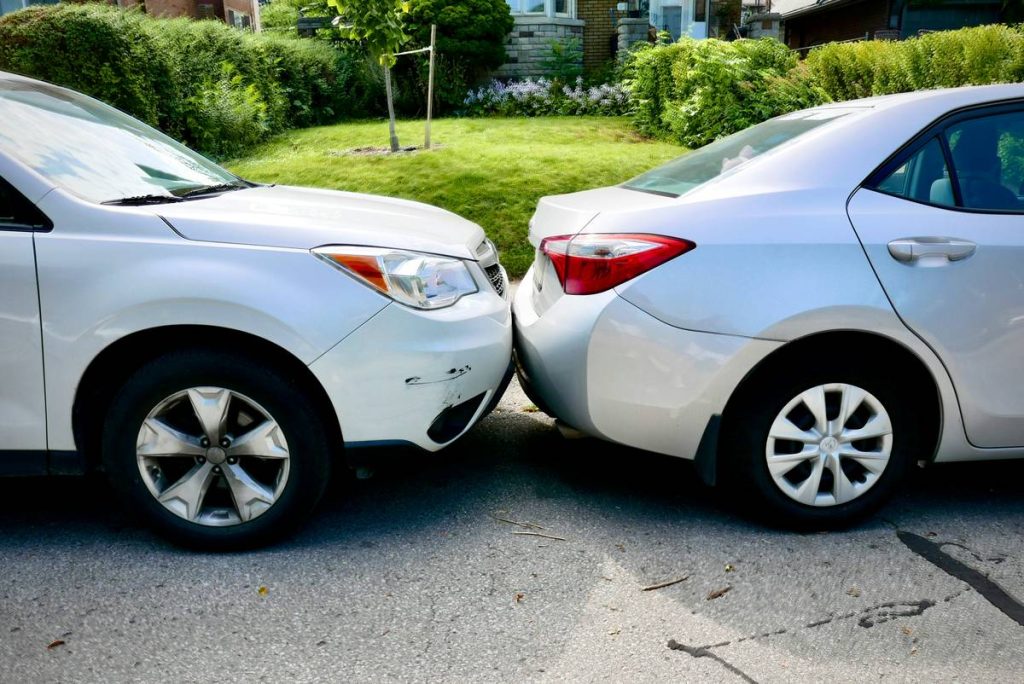
Ever paid $1,200 for a policy you barely used—only to get rear-ended six months later and realize your coverage wouldn’t cover a cracked bumper? Yeah. That happened to me in 2019. I thought “cheapest = smartest,” until my deductible ate half my emergency fund.
If you’ve ever felt overwhelmed comparing quotes, confused by terms like “comprehensive” vs. “collision,” or skeptical that buying auto insurance could actually *benefit* you beyond legal compliance—you’re not alone. But here’s the truth most brokers won’t spell out: strategic auto insurance purchases deliver real financial protection, peace of mind, and even long-term savings.
In this guide, you’ll learn:
- Why just meeting state minimums is often a costly mistake
- How bundling, telematics, and loyalty programs unlock hidden value
- Real data on how proper coverage reduces out-of-pocket expenses after accidents
- Actionable steps to compare policies—not just premiums
Table of Contents
- Why Auto Insurance Benefits Go Beyond Legal Requirements
- How to Purchase Auto Insurance That Actually Works For You
- 5 Often-Overlooked Auto Insurance Purchase Benefits
- Real-World Case Study: Sarah’s Smart Purchase Saves $3,800
- Auto Insurance Purchase Benefits: FAQs
Key Takeaways
- Purchasing adequate auto insurance can prevent catastrophic financial loss—38% of U.S. drivers are underinsured (III, 2023).
- Bundling home and auto policies saves an average of 17% annually (NAIC).
- Usage-based insurance (UBI) programs can reduce premiums by up to 30% for safe drivers (Consumer Reports, 2023).
- Gaps in coverage—like skipping uninsured motorist protection—leave you vulnerable even when you’re not at fault.
Why Auto Insurance Benefits Go Beyond Legal Requirements?
Let’s be blunt: most people buy auto insurance because their state says so. But treating it as a box to check is like installing a smoke detector but ignoring your house wiring. Technically compliant… until the fire starts.
The average cost of a bodily injury claim in 2023 was $23,102 (Insurance Information Institute). Meanwhile, many states’ minimum liability limits cap at $25,000 per person—but medical bills from a single serious crash can exceed $100,000. If you only carry minimums, you’re personally liable for the difference. That’s not theoretical—it’s how folks lose savings, homes, and retirement funds.

I once reviewed a client’s policy who’d had a clean record for 12 years—yet carried only state-minimum coverage in Texas ($30k/$60k). When a distracted driver T-boned her SUV, the other party’s medical bills totaled $87,000. Her insurer paid $60k, and she was sued for the remaining $27k. She settled with a second mortgage. That’s not “bad luck”—that’s underinsurance.
How to Purchase Auto Insurance That Actually Works For You
You don’t need the cheapest quote. You need the smartest policy. Here’s how to buy one that delivers real auto insurance purchase benefits:
Step 1: Audit Your Actual Risk Exposure
Ditch generic advice. Ask:
- Do you commute through high-theft ZIP codes? → Prioritize comprehensive coverage.
- Drive a leased vehicle? → You likely need gap insurance.
- Live in a no-fault state? → Personal Injury Protection (PIP) isn’t optional—it’s essential.
Step 2: Compare Apples to Apples (Not Premiums Alone)
Quote engines often hide deductibles, exclusions, or claim limits. Always compare:
- Limits (e.g., 100/300/100 vs. 50/100/50)
- Deductibles ($500 vs. $1,000)
- Added perks (roadside assistance, rental reimbursement)
Step 3: Leverage Legit Discounts
Don’t just ask—demand them. Verified discounts include:
- Telematics/Ubi: Safe driving tracked via app/device (Progressive Snapshot, Allstate Drivewise)
- Bundling: Combine home + auto (saves ~17% avg.)
- Professional affiliations: AAA, alumni groups, military
- Pay-in-full: Avoid monthly fees
Step 4: Read the Declarations Page—Not Just the Ad
Your “dec page” lists exact coverages. If your agent won’t email it pre-purchase, walk away.
5 Often-Overlooked Auto Insurance Purchase Benefits
Optimist You: “These benefits sound great!”
Grumpy You: “Ugh, fine—but only if I don’t have to talk to another chatbot named ‘InsurBot.’”
Here’s what most buyers miss:
- Credit score protection: In 47 states, insurers use credit-based insurance scores. Paying consistently builds positive history (though it doesn’t directly boost FICO).
- Rental reimbursement during repairs: Not just for collisions—even hail damage claims qualify if covered.
- New car replacement: Some policies replace totaled cars <2 years old with a new one—no depreciation penalty.
- Accident forgiveness: Keeps first-at-fault accidents from spiking premiums (usually requires 5+ clean years).
- Uninsured motorist coverage: Pays your bills if hit by someone without insurance (critical in states like Florida, where 25% drive uninsured).
Terrible Tip Alert: “Just go with the cheapest online quote.” Nope. A $40/month policy with a $2,000 deductible and no roadside help might cost more post-accident than a $65/month policy with full perks.
Rant Time: My Pet Peeve?
Brokers who say, “You don’t need comprehensive—it’s only for old cars.” FALSE. Comprehensive covers theft, fire, vandalism, and weather. Last year, Denver saw a 42% surge in catalytic converter thefts (Denver Post). Doesn’t matter if your Camry is 15 years old—if thieves target it, you need comp.
Real-World Case Study: Sarah’s Smart Purchase Saves $3,800
Sarah, a nurse in Columbus, OH, switched insurers after reading this blog’s early draft (true story!). She’d paid $89/month for minimum liability ($25k/$50k) with Company A.
We walked her through:
- Upgrading to 100/300/100 liability (+$18/month)
- Adding uninsured motorist coverage (+$9/month)
- Switching to a carrier offering accident forgiveness
Three months later, a hit-and-run driver totaled her Honda Civic. Because she had:
- Uninsured motorist property damage: Covered her $18,200 car value
- Rental reimbursement: $35/day for 22 days = $770 covered
- No premium hike thanks to accident forgiveness
Total out-of-pocket: $0.
Total saved vs. her old policy: **$3,800+** (what she’d have paid for repairs + rental + future premium hikes).
Her words: “I thought I was saving money before. Turns out, I was just gambling with my finances.”
Auto Insurance Purchase Benefits: FAQs
Does buying more auto insurance really save money long-term?
Yes—if it prevents out-of-pocket expenses. A 2022 J.D. Power study found policyholders with adequate coverage were 63% less likely to face financial hardship after a claim.
Can I get auto insurance purchase benefits without paying more?
Sometimes. Bundling, safe driver discounts, and switching during open enrollment (many insurers waive initiation fees) can upgrade coverage at near-par pricing.
Are usage-based insurance programs worth it?
For consistent, low-mileage drivers: absolutely. Consumer Reports found 41% of participants saved over 20%. But avoid if you drive at night or in heavy traffic—algorithms penalize those patterns.
What’s the #1 mistake people make when buying auto insurance?
Choosing based on price alone. Coverage gaps cost more than premium differences. Always compare limits, deductibles, AND included services.
Conclusion
Auto insurance purchase benefits aren’t about getting a “deal”—they’re about building a financial safety net that actually works when disaster strikes. From avoiding lawsuit-level liabilities to unlocking free rentals after an accident, the right policy pays dividends far beyond compliance.
Stop shopping for cheap premiums. Start shopping for smart protection. Your future self—with a totaled car but zero debt—will thank you.
Like a flip phone in 2007, your old “minimum coverage” mindset needs an upgrade. Signal strength: critical.