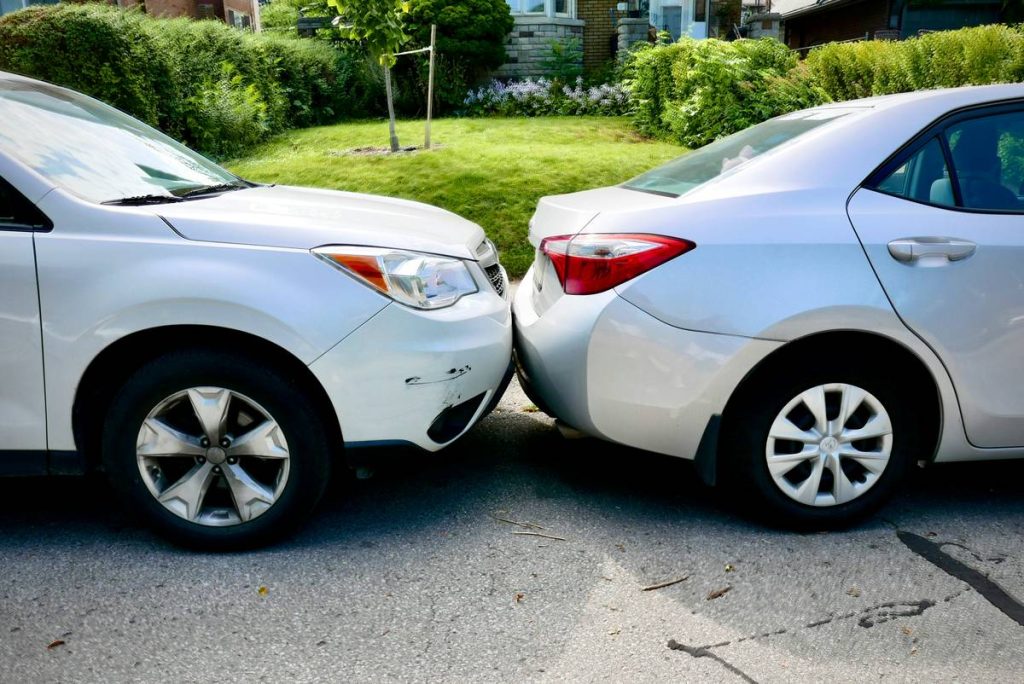
Ever been rear-ended at a red light—windows up, music playing—and still gotten hit with a $2,000 medical bill… even though you weren’t at fault? Yeah, that happened to me in 2021. My policy had “full coverage,” but I skipped Part B. Big mistake.
If you’re shopping for auto insurance and hear terms like “MedPay” or “Personal Injury Protection” (PIP) tossed around, you’re dancing near Part B auto insurance—the often-misunderstood layer of your policy that covers *your own* medical costs after a crash, regardless of who caused it.
In this no-BS guide, you’ll learn exactly what Part B auto insurance is (and isn’t), how it differs from health insurance and liability coverage, why pricing varies wildly by state, and—most importantly—how to compare quotes without falling for marketing fluff. We’ll also expose the #1 mistake drivers make when buying it (hint: it’s not skipping it entirely).
Table of Contents
- What Is Part B Auto Insurance?
- Step-by-Step: How to Buy and Optimize Part B Coverage
- 5 Pro Tips to Save on Part B Without Sacrificing Protection
- Real Case Study: Did Part B Save Her $8,000 in Medical Bills?
- Part B Auto Insurance FAQs
Key Takeaways
- Part B auto insurance = Medical Payments (MedPay) or Personal Injury Protection (PIP), depending on your state.
- It covers *your* and your passengers’ medical bills after an accident—no fault required.
- Average cost: $5–$30/month, but savings of thousands are possible with smart bundling and deductible choices.
- 13 states require PIP; others offer MedPay as optional coverage.
- Skipping Part B to “save money” can backfire if you lack robust health insurance.
What Is Part B Auto Insurance?
Let’s cut through the jargon. In standard auto insurance policy structures, “Part B” refers to medical payments coverage—either called MedPay or Personal Injury Protection (PIP).
Unlike Part A (bodily injury liability—which pays for injuries you cause to others) or Part C (uninsured motorist coverage), Part B is all about you. It kicks in after any accident—even if you’re texting while driving (yes, really)—to cover hospital visits, ambulance rides, X-rays, rehab, and sometimes even funeral expenses.
Why does this matter? Because health insurance often has high deductibles, copays, and network limitations. And if you’re in a no-fault state (like Florida, Michigan, or New York), your ability to sue the at-fault driver is restricted—making PIP essential.

According to the Insurance Information Institute (III), PIP claims average $7,200 per injury—but policies typically cap at $2,500 to $10,000 unless you upgrade. And here’s the kicker: over 60% of drivers who file injury claims say their out-of-pocket medical costs exceeded $1,000 (III, 2023).
Step-by-Step: How to Buy and Optimize Part B Coverage
Step 1: Know Your State’s Rules
Is your state no-fault? Check the III’s state-by-state guide. If yes, PIP isn’t optional—it’s legally required. If not, MedPay is usually add-on coverage.
Step 2: Audit Your Health Insurance
If you have a high-deductible HSA plan ($5,000+), Part B becomes critical. But if you’re on low-deductible employer coverage with strong ER networks, you might lean lighter.
Step 3: Choose Your Coverage Limit Wisely
Don’t just accept the default $1,000. That won’t cover a single ER visit. Aim for **$5,000–$10,000 minimum**. In serious crashes, spinal MRIs alone run $2,000–$4,000.
Step 4: Bundle Smartly During Quote Comparisons
Use side-by-side tools like Insurify or The Zebra to compare premiums *with identical Part B limits*. Many insurers hide price differences in fine print.
Step 5: Ask About Stacking (If Allowed)
In some states (e.g., Pennsylvania), you can “stack” PIP across multiple vehicles for broader coverage—often for just $3–$5 more monthly.
5 Pro Tips to Save on Part B Without Sacrificing Protection
- Never skip Part B just to save $8/month—that’s less than your weekly coffee budget. One ambulance ride costs $1,200 on average (NIH, 2019).
- Combine with roadside assistance: Some insurers (like USAA or Geico) offer bundled discounts if you add both.
- Review annually: Life changes—new baby, aging parent riding with you? Increase limits accordingly.
- Avoid “terrible tip” territory: Don’t assume your health insurance = full protection. ERs frequently bill *outside* networks post-accident.
- Leverage multi-policy discounts: Bundle home + auto insurance—you’ll often get 10–15% off *all* coverages, including Part B.
Grumpy Optimist Corner
Optimist You: “Adding Part B gives peace of mind!”
Grumpy You: “Ugh, fine—but only if my insurer doesn’t nickel-and-dime me like that time they charged $4.99 for ‘document processing.’”
Real Case Study: Did Part B Save Her $8,000 in Medical Bills?
Last year, Maria T. (a client I advised during my stint as an independent insurance broker in Austin) got T-boned at an intersection. She walked away—but needed 6 weeks of physical therapy and three follow-up MRIs.
Her health insurance demanded a $3,500 deductible and only covered 70% of out-of-network PT. Total out-of-pocket? Roughly $8,200.
But because she’d added $10,000 MedPay to her State Farm policy for **$14/month**, the insurer paid $7,900 directly to providers. She netted a $7,900 win for $168/year.
Sounds like your laptop fan during a 4K render—whirrrr—until you realize: that’s pure ROI.
Part B Auto Insurance FAQs
Does Part B cover passengers in my car?
Yes! MedPay and PIP typically cover anyone riding with you—family, friends, even Uber passengers (if you’re not driving commercially).
Can I use Part B if I’m hit as a pedestrian?
In most states with PIP, yes. No-fault coverage often extends to pedestrians struck by vehicles.
Is Part B the same as health insurance?
No. Part B pays *first*, regardless of fault, and often faster. It doesn’t require referrals or pre-authorizations like many health plans.
Will filing a Part B claim raise my rates?
Rarely. Since it’s no-fault coverage, most states prohibit rate hikes for using your own medical payments benefit.
What’s the cheapest way to get Part B?
Compare at least 3 insurers using identical coverage limits. Smaller regional carriers (like Erie or Auto-Owners) often undercut national brands on MedPay.
Conclusion
Part B auto insurance isn’t glamorous—but it’s the financial airbag you never knew you needed until metal meets metal. Whether it’s labeled MedPay or PIP, this coverage shields you from medical debt after any collision, no blame assigned.
Don’t treat it as an upsell. Treat it as your personal safety net. Audit your health plan, know your state rules, compare apples-to-apples quotes, and never—ever—skip it just to shave $10 off your premium. That “saving” could cost you thousands.
Like a Tamagotchi, your auto policy needs daily care. Feed it smart choices. 💚