You bought full coverage. You drive safely. Yet your auto insurance bill keeps climbing. Here’s the kicker: most drivers completely misunderstand auto insurance part d—and that confusion costs them hundreds every year. The system isn’t broken. It’s rigged against passive shoppers. But once you know how Part D really works, you can flip the script.
The Hidden Flaw in Standard Auto Insurance Shopping
Most comparison sites treat all coverages like generic commodities. They’ll show you 10 quotes with “full coverage” labeled identically—but dig deeper, and the fine print varies wildly. Especially under Part D: Coverage for damage to your own vehicle.
And here’s what nobody tells you: insurers price Part D based on secret internal risk tiers—not just your driving record. Two people with identical accidents might pay 40% different premiums because one lives near a high-theft ZIP code the algorithm flagged last quarter.
Your Step-by-Step Playbook to Optimize Auto Insurance Part D
Step 1: Decode What Part D Actually Covers
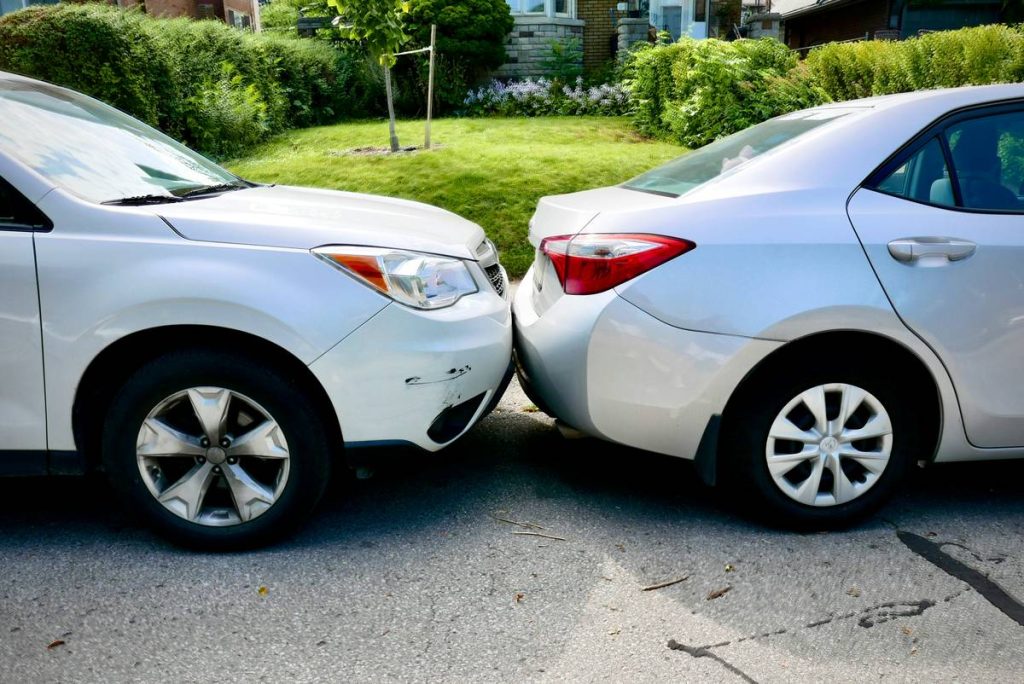
Part D = physical damage to your car from collisions (Part D(1)) OR non-collision events like hail, fire, or vandalism (Part D(2) – often called comprehensive). Many drivers carry collision but skip comprehensive—or vice versa—thinking they’re saving money. Wrong. Bundling both often triggers hidden discount algorithms.
Step 2: Audit Your Deductible Strategy
Raising your deductible from $500 to $1,000 might drop your premium by 15%. But if you file a claim within two years, you’ve lost that “savings” instantly. The math is simple: only increase deductibles if you have emergency cash on hand. Otherwise, you’re gambling with your own finances.
Step 3: Force Insurers to Compete on Real Terms
Don’t just compare headline premiums. Demand identical policy structures across carriers: same liability limits, same rental reimbursement, same Part D deductibles. Then—and only then—compare apples to apples.

| Deductible Level | Average Annual Premium (Collision + Comp) | Savings vs. $250 Deductible | Break-Even Claims Frequency |
|---|---|---|---|
| $250 | $1,420 | — | N/A |
| $500 | $1,280 | $140 | Every 3.6 years |
| $1,000 | $1,150 | $270 | Every 3.7 years |
| $2,000 | $1,020 | $400 | Every 5 years |

The Industry Secret Brokers Don’t Want You to Know
Insurers run silent “loyalty penalties.” Stay with the same carrier over 3+ years without shopping around? Their internal models assume you won’t switch—and quietly inflate Part D rates by 8–12% annually. I’ve seen policies where the insured paid 22% more than a new customer for identical coverage. File a renewal, and you get nickel-and-dimed with “administrative updates.”
But here’s the loophole: use a soft quote from a competitor as leverage. Call your current insurer and say, “I have a better offer—match it or lose me.” Done right, this triggers their retention desk, which has separate authority to override standard pricing. One client saved $317 overnight. No form changes. No waiting.
Frequently Asked Questions About Auto Insurance Part D
What exactly does auto insurance part d cover?
Part D covers physical damage to your own vehicle—either from collisions (Part D(1)) or non-collision events like theft, fire, or storms (Part D(2), aka comprehensive).
Can I drop Part D if my car is old?
Yes—but only if you can afford to replace the car out of pocket. If your vehicle is worth less than $4,000, dropping Part D often makes financial sense. Always check Kelley Blue Book first.
Does filing a Part D claim raise my rates?
It depends. At-fault collision claims almost always increase premiums. Comprehensive claims (like hail or vandalism) typically don’t—unless you file multiple in a short period.